
SIA GAJS:
Efficient and high-quality monitoring using drones and AI
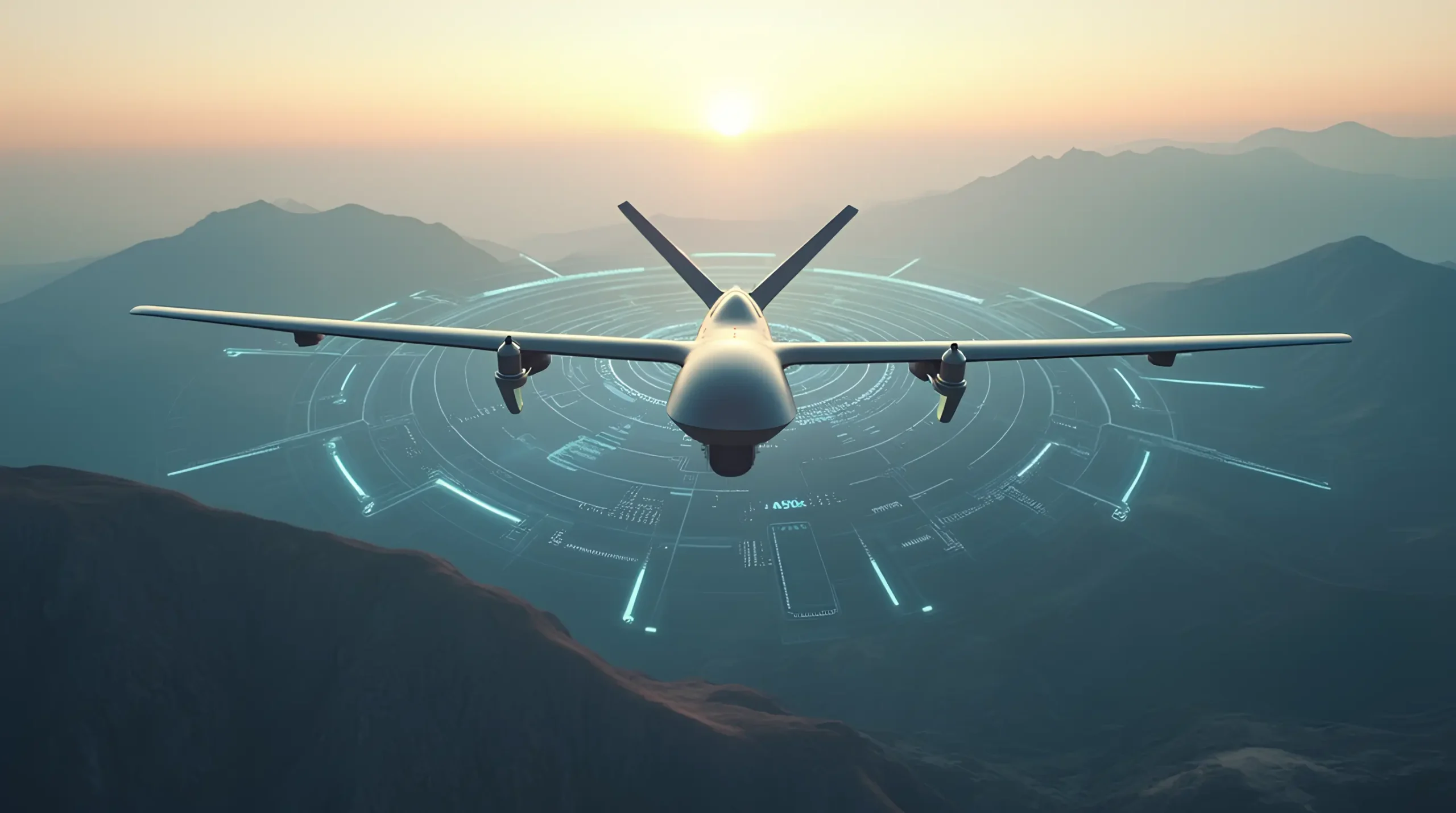
We transform aerial data into actionable strategies. We optimize resources, improve safety and improve the efficiency of your operations using advanced drone technology and artificial intelligence. We work exclusively for civilian purposes.
- 5 years of experience in the EU
- AI Analytics for Real Results
- Strict compliance EU standards
- Reducing costs and risks
Our services
- Agromonitoring
- Industry Inspection
- Fire monitoring
- Border monitoring
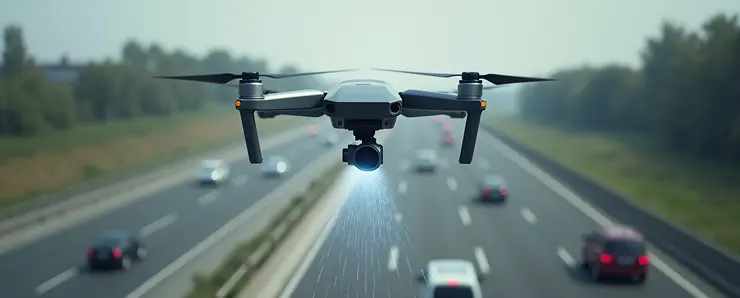
- Traffic flow analysis
- Environmental monitoring
About us
SIA “GAJS” provides smart monitoring and analysis using UAVs and AI. We help businesses, farms, and municipalities across the EU make informed decisions, reduce costs, and enhance safety. Our focus goes beyond aerial photography — we deliver actionable insights from visual, thermal, and multispectral data through advanced AI. Not just tech, but real solutions to real problems
AI-Driven Data Transformation
We transform complex data into understandable insights and actionable strategies.
Measurable Results
We aim to significantly reduce costs (up to 15-20% in the agricultural sector), increase efficiency and minimize risks.
Full Compliance EU Standards
We guarantee the legality and reliability of all operations in accordance with EASA and GDPR regulations.
Expert Human Control
AI technologies are complemented by the deep industry expertise of our analysts for maximum accuracy.
Our Services Overview
Comprehensive solutions for monitoring and analytics
We offer a wide range of Lösungen (solutions) for various industries, using specialized drones and AI analytics to achieve your goals:
Agromonitoring
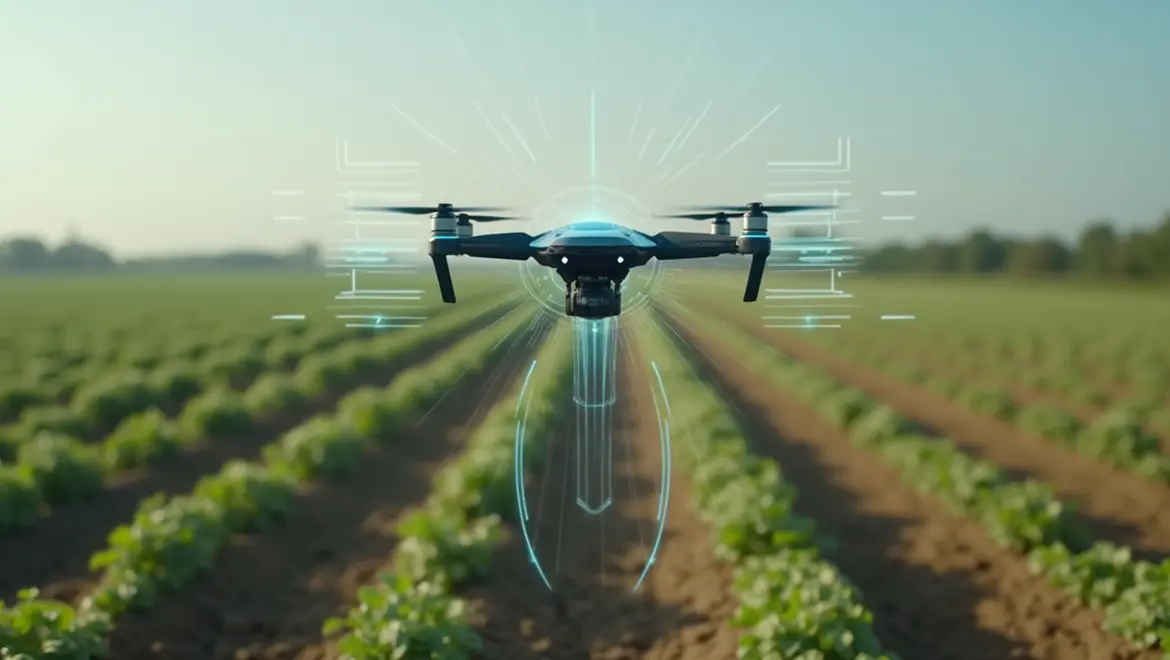
Crop yield optimization, precision farming, early detection of crop problems and soil condition assessment.
Industry Inspection
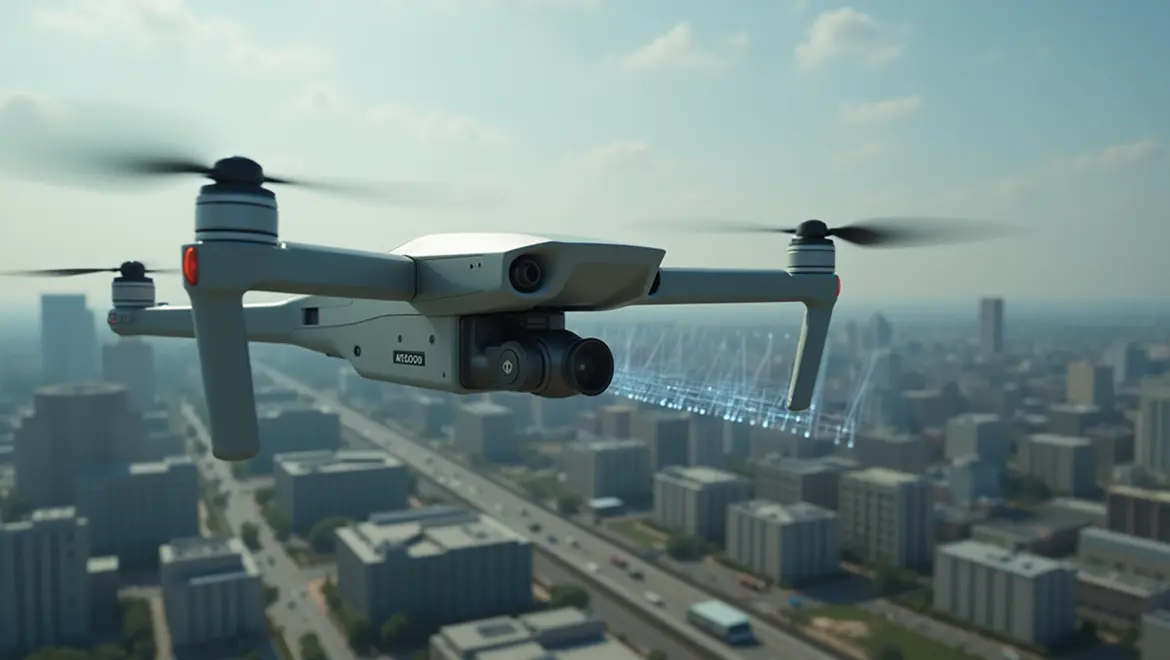
Monitoring of pipelines, power lines, wind turbines, bridges. Detection of condition assessment, predictive maintenance.
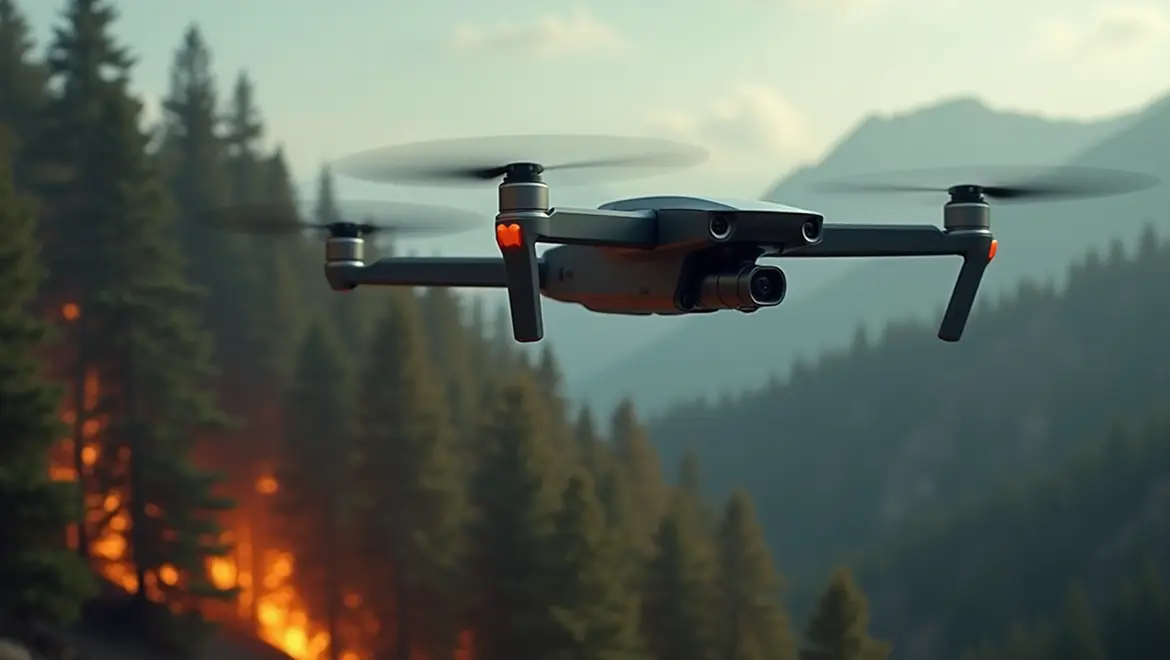
Fire monitoring
Early detection of forest and peat fires, fire spread analysis, support for fire brigades.
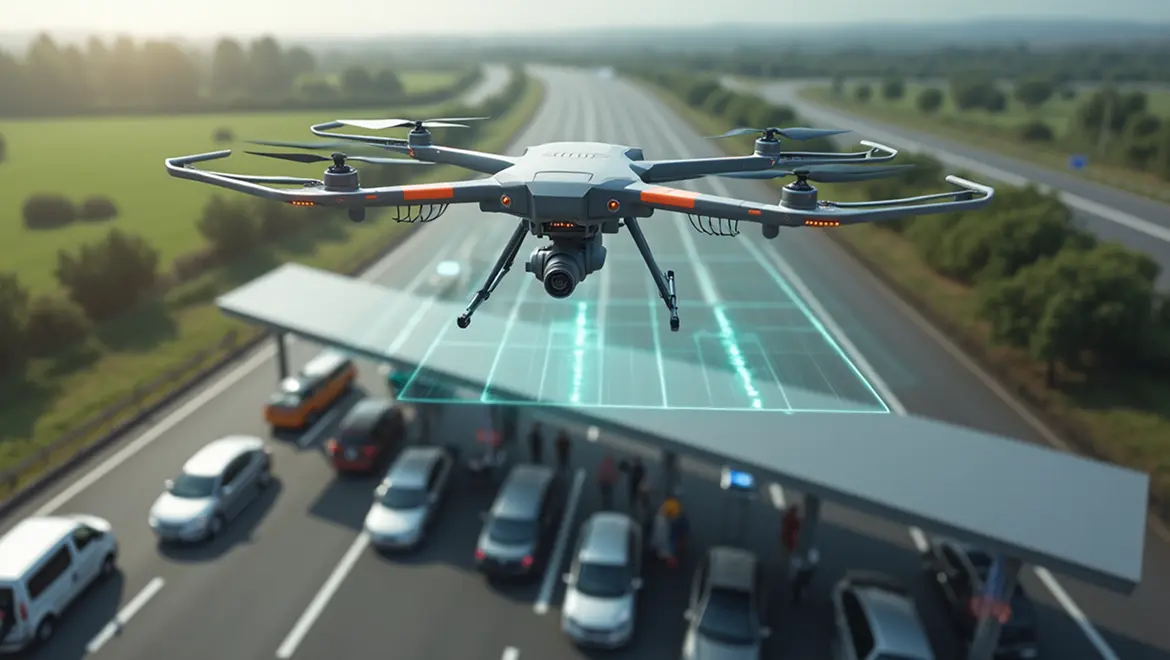
Border monitoring
Monitoring long and hard-to-reach areas, identifying violations, tracking vessels, supporting patrols.
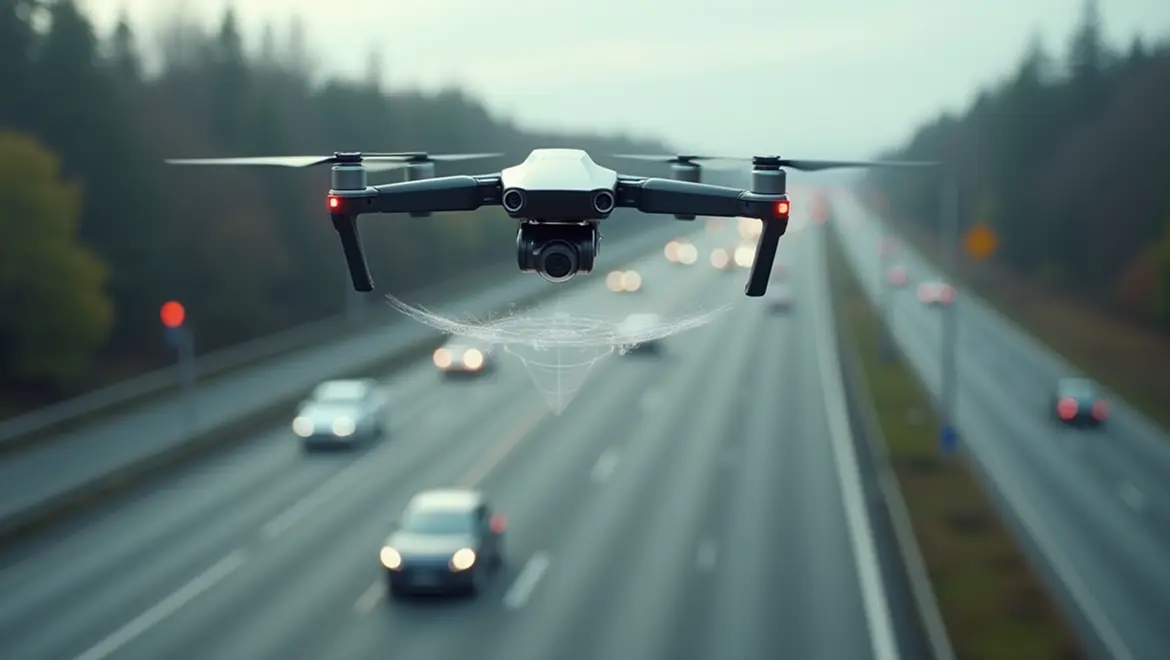
Traffic flow analysis
Assessment of identification of bottlenecks, analysis of road surface conditions, support in case of accidents.
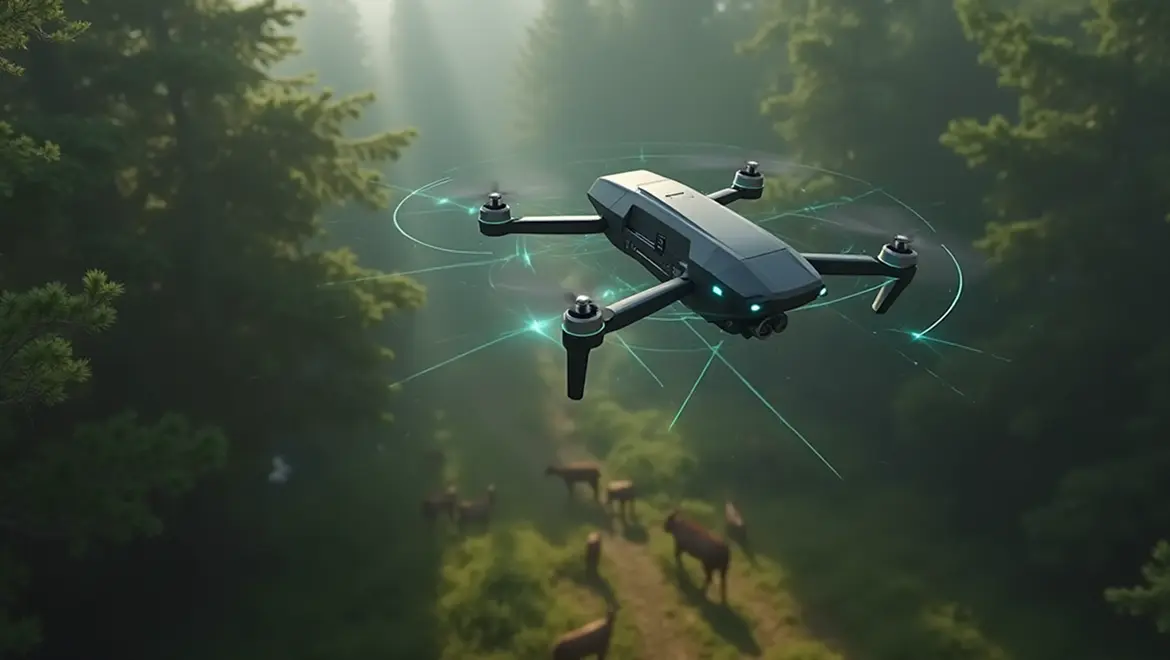
Environmental monitoring
Monitoring animal populations, assessing the condition of forests and water bodies, identifying unauthorized dumps.
Why choose Us
Your reliable partner in the EU
More than
5+
years successful work on the European market in different industries
More than
500+
completed projects on the European market in different industries
Legality and Transparency:
SIA "GAJS” is a registered Latvian company (Reg. № 40203160274) operating under EU law.
Tech Superiority:
We use pro-grade drones with multispectral, thermal cameras, RTK GNSS, and secure data links.
Proven Methodology:
Clear workflow from consultation and mission planning to AI analysis and detailed reports.
Results-Focused:
Our goal is to deliver insights that support smart decisions and real business outcomes.
- SIA GAJS
Ready to take your monitoring to the next level?
Contact us today to discuss your needs and receive a customized quote. Our specialist will respond to you within 24 business hours.
Engine
Power System: Beyond the Datasheet. An Engineering Approach.
Anyone can open a datasheet and compare thrust numbers. Real engineering begins where tables end—in understanding trade-offs. Motor selection isn’t about finding maximum thrust. It’s about finding the optimal balance between efficiency (g/W), thermal management, throttle response, bearing reliability, and resonant compatibility with the specific frame and propeller.
We’ve seen it all: from motors that “fall apart” after a dozen flights due to poor-quality bearings, to perfectly designed systems that have survived hard crashes. Our experience is based on hundreds of builds, Blackbox log analysis, and bench testing. We don’t sell “the best” motors. We select the right tool for the specific task, based on the physics of the process.
Power System Matrix: Selection by Task
|
Operational Profile
|
Manufacturer
|
Specific Models (tested by us)
|
Technical Rationale and Potential Issues
|
|---|---|---|---|
|
5" FPV: Racing and Aggressive Freestyle
|
iFlight / T-Motor / RCinpower / AxisFlying
|
XING2 2207 (1855/2755KV) / Velox V3 2207/2306.5 / GTS V4 2207 (1980/2100KV) / AF236 (1960/2100KV)
|
Goal: maximum thrust-to-weight ratio and responsiveness.High KV values for 6S reign supreme here. Key factors: shaft durability (titanium TC4 — not marketing, but necessity), quality and size of bearings (9x4x4mm EZO/NSK), and minimal gap between N52SH magnets and stator for "aggressive" response. Monolithic construction (unibell) wins in strength but often loses in cooling and repairability. Problem:Overheating and desynchronization with aggressive propellers — resolved with proper ESC settings (PWM frequency, timing).
|
|
7-8" Long Range and "Cinelifting"
|
BrotherHobby / T-Motor / AOS
|
Avenger 2806.5 / 2812 / Pacer P2808 V2 / Supernova 2807
|
Goal: efficiency in cruise mode and smoothness. Low KV (1100-1500KV) for heavy 7-inch props. Increased stator volume (2806.5 and higher) provides the necessary torque to avoid saturation and overheating during peak loads (for example, when pulling out of a dive with a RED Komodo camera). Problem: Low-frequency vibrations ("jello"). Solved not only with PID tuning, but also by choosing motors with perfect dynamic balancing and quality, properly pre-tensioned bearings.
|
|
Professional Aerial Photography, Mapping, ISR (UAVs up to 25 kg)
|
T-Motor / KDE Direct / Scorpion
|
Antigravity 4004/4006 / Navigator MN505-S/MN601-S / KDE3510XF-475 / SII-4010, SII-4020
|
Goal: maximum flight time (g/W) and reliability.Ultra-low KV (280-580KV) for working with large (15"-22") carbon propellers with high pitch. What matters here is not peak thrust, but efficiency at 40-60% throttle. Multi-strand winding, thin-sheet stator iron, protection from dust and moisture (varnishing, sealed bearings) are essential. Problem: Manufacturers often cut corners on magnet quality, leading to their degradation during overheating and loss of efficiency over time. Scorpion and KDE historically maintain high standards in this regard.
|
|
Heavy Industrial Platforms (modular assembly)
|
T-Motor / Scorpion / MAD Components / OEM (JMRRC and others)
|
U8II, U10II, U12II, U15II / SII-6530-150KV / M40 C35 IPE V3, M50 / JMR-6215D, H140 KV80
|
Goal: pure lifting capacity and fault tolerance. Monstrous stators, low KV (80-200KV) for high-voltage systems (12S-14S and higher). Active cooling (built-in fan) is standard. Wires come out as thick as a finger. Efficiency often takes a back seat to the ability to handle enormous current for extended periods without degradation. Problem: Compatibility with ESCs. Such motors with high inductance require specialized (often FOC) controllers capable of operating correctly without synchronization failures under abrupt load changes.
|
|
Integrated Power Systems (Agricultural and Industrial drones)
|
Hobbywing / T-Motor
|
X-Rotor X9/X11/X13 Plus / Alpha-series
|
Goal: maximum reliability through minimizing failure points. This is not just a motor, but a sealed (IPX6/IPX7) unit "motor + ESC + propeller," flashed and calibrated at the factory. The use of sinusoidal FOC (Field-Oriented Control) regulators provides smooth and quiet operation, which is critical for spraying (boom stability). Problem: Zero field repairability and complete dependence on a single manufacturer. Failure of one component requires replacement of the entire unit. But for large commercial operations, this is a justified price for predictability.
|
Systems analysis, not just component selection
We never consider the engine in isolation from the system. Our approach is a holistic analysis of the power plant:
1. Load Profile: We start with your maximum operational weight (MTOW) and payload. The required thrust is calculated taking into account the required dynamics and power reserve (usually 50-70%).
2. Propeller-Motor Group (PMG) Modeling: We use bench test data (or conduct our own) to model the “motor-propeller-battery” combination. The goal is to find the point of maximum efficiency for your cruise mode, and not the maximum number at peak throttle.
3. ESC and Power Wiring Selection: A powerful motor is useless with a weak ESC. We select an ESC with a current reserve (minimum 30%), take into account its firmware (BLHeli32 for FPV, custom firmware for FOC), and also calculate the cross-section of the power wires to minimize voltage drops under load.
Send us your technical specifications: takeoff weight, target flight time, mission type and operating conditions. In response, you will receive not a commercial proposal, but an engineering calculation with several VMG options and justification for the choice of each component.
Other
Component Base: System Integration as a Key Competence
We offer bulk component supplies and system integration at scale. Whether you need dozens of units or hundreds of parts, we maintain inventory and direct relationships with top-tier manufacturers to fulfill large orders with consistent quality and on-time delivery.
A drone is a system of compromises. A flight controller with a powerful H7 processor is useless if its gyroscope “catches” vibrations from an unbalanced frame. A long-range video system is powerless if interference from the power system “jams” the video channel. A successful build is not just about buying expensive components. It’s about their competent integration, based on a deep understanding of the physics of each component.
We approach component selection as building a unified, fault-tolerant organism. Below is our knowledge base on key components – which we can supply both as spare parts and in assemblies.
Analysis of Key UAV Subsystems
|
Subsystem
|
Manufacturers / Specific Models
|
Engineering Analysis: What We Really Look At
|
|---|---|---|
|
Flight Controller (FC) — "Brain"
|
Holybro: Kakute H7 V2, H7 Mini, Durandal/ Matek: H743-SLIM/WING, F405-HDTE/ T-Motor: T-MOTOR F7 HD FC/ iFlight:BLITZ F7 Pro, BLITZ H745/ BetaFPV: F405 V4
|
Processor (MCU): F411/F405 — past standard, sufficient for Betaflight on 5". F7 (F722/F745) — industrial standard for FPV, handles all filters and peripherals. H7 (H743/H750) — required for ArduPilot/INAV, complex scripts and industrial builds with high processor load./ Gyroscope (IMU): MPU6000 — old, but incredibly noise-resistant, "gold standard". BMI270/ICM-42688-P — new, fast, accurate, but require perfect vibration isolation. IMU choice is more important than MCU choice for smooth flight./ Number of UART ports: A critical parameter. GPS, receiver, digital video, telemetry — all require a separate port. 6+ UART — the norm for a serious build./ Blackbox: Built-in Flash (16-512MB) — a must-have for PID tuning and problem analysis.
|
|
Electronic Speed Controllers (ESC) — "Muscles"
|
4-in-1: Hobbywing: XRotor G2 / T-Motor: Velox V50A V2, Pacer P60A /
Foxeer: Reaper F4 65A/128K / APD: F-Series (high-end), Single (for heavy builds) /
Hobbywing: Platinum HV 200A OPTO / APD: HV-Pro
|
Firmware: BLHeli_32 — stable, standard, works "out of the box".
AM32 — open, developing, better performance but needs tuning.
FOC (Field-Oriented Control): for industrial systems, maximum smoothness and quietness, less dynamic. Keys (MOSFETs): size and quality determine load and heat dissipation. Critical to check transistor specs, not just names. PWM Frequency: 48/96/128k — higher = smoother, but increases heating and desync risks. |
|
Video Transmission System (FPV) — "Eyes"
|
Digital: DJI: O3 Air Unit, Vista/Link / Caddx / Walksnail: Avatar HD Pro Kit /
HDZero: Freestyle V2 VTX, Race V3 VTX
Analog: TBS: Unify Pro32 HV/Nano / IRC: Tramp Nano |
Priority: Image Quality: DJI O3 is unrivaled in detail and color. Ideal for "cinewhoops" and aerial photography.
Priority: Minimum Latency: HDZero. Fixed latency (~16 ms) — choice of racers and those who need absolute control. Priority: Balance and Range: Walksnail Avatar. Low latency, good picture, strong penetration through obstacles compared to O3. Analog: Zero "glass" latency, durable, relevant for racing, training, and micro drones. TBS Unify — benchmark for power and clarity. |
|
Remote Control System (RC Link) — "Nervous System"
|
ExpressLRS (ELRS): 915MHz / 2.4GHz
TBS: Crossfire (868/915MHz), Tracer (2.4GHz) ImmersionRC: Ghost (2.4GHz) |
ELRS: De facto new standard in FPV. Open source, ultra low price, highest performance (up to 1000 Hz), enormous range.
TBS Crossfire: "Workhorse" of professionals. Incredible penetration and reliability, proven over years. Installed where link failure is unacceptable. TBS Tracer / IRC Ghost: 2.4 GHz protocols with low latency, competitors to ELRS, but with closed code and higher price. |
|
Frames — "Skeleton"
|
FPV/Freestyle: ImpulseRC: Apex, Micro Apex / Armattan: Badger, Marmotte / iFlight: Nazgul, Evoque
Industrial/OEM: Chimera / Foxtech / Tarot / Custom |
Material: not all carbon is the same. Look at fiber grade (T300 = minimum, T700 = good) and layup method.
Resonance: main enemy of tuning. Frame should avoid natural resonance frequencies of motors. Construction: arm thickness (5–8 mm for 5-7"), solid or modular arms, vibration isolation. For industrial — materials like carbon tubes, aluminum, folding arms, payload capacity. |
|
Navigation (GPS / Compass)
|
Matek: M10Q-5883 / Holybro: H-RTK F9P Rover
Helical/Beitian: BN-220, BN-880 |
Chipset: u-blox M10 — new standard. Fast cold start, 4 constellations (GPS, Galileo, GLONASS, BeiDou).
Antenna: Ceramic patch size determines reception. 18×18 mm = minimum. Compass (magnetometer): QMC5883L/IST8310. Placement matters: away from power wires, motors, bolts. RTK systems (e.g. F9P) — for geodetic precision. |
|
Power Supply (Batteries and Connectors)
|
LiPo: Tattu R-Line, CNHL Black/Speedy Pizza, GNB/Li-Ion packs:Molicel P42A/P28A, Sony VTC6 (for custom builds)/Connectors: Amass XT60/XT90, AS150, QS8
|
Chemistry: LiPo (lithium-polymer) — for high current output (C-Rating). Choice for racing and freestyle. Li-Ion (lithium-ion) — for high specific capacity (mAh/g). Choice for long-range. Pack made of Molicel P42A cells — gold standard for long-range./Connectors: XT60 — standard for 5-7" drones (up to ~80A). Anything more powerful requires XT90. For high-voltage systems (12S+) with large capacities — only AS150 or QS8 with anti-spark protection to avoid burning contacts when connecting.
|
Conclusion: From Components to System
This list is just the tip of the iceberg. The real work begins when we select these components into a single, coordinated system. We analyze current profiles to ensure ESC and PDB don’t become a “bottleneck”. We check protocol compatibility (CRSF, S.BUS, FPort) and physical interfaces. We calculate weight balance and component layout to achieve the ideal center of gravity.
Contact us, and we will conduct a complete system analysis of your project to turn a set of high-class components into a reliable and efficient aircraft.
Contact us
Registration number:
52103100141
Legal address:
Rīga, Aristida Briāna iela 9A - 2, LV-1001